Not every site needs the same kind of security. A corporate office lobby in Brisbane's CBD, a warehouse full of stock, and an active construction site all face different risks, which means the right security setup for one is often the wrong choice for another.
The two most common options are static guarding and mobile patrols, and choosing between them is not just a budget decision. Getting mobile patrol services or a static guard wrong for your site type can leave real gaps in coverage, even if the contract looks solid on paper.
This guide breaks down what each option actually involves, which site types suit each one, and how to decide what your property genuinely needs.
What Static Guarding Actually Involves
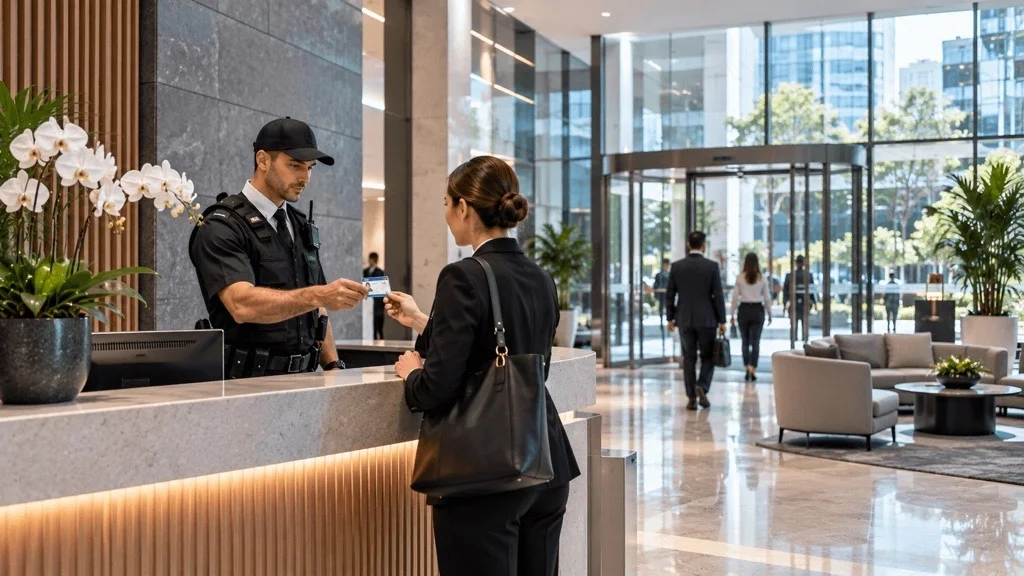
A static guard is positioned at one location for their entire shift, typically a lobby, gatehouse, or a specific entry point. Their job is continuous presence and control at that single point, checking credentials, managing visitor logs, and responding immediately to anything unusual right where they are stationed.
This constant presence is the main advantage. There is no gap in coverage at that specific point, since the guard never leaves their post during the shift.
What Mobile Patrols Actually Involve
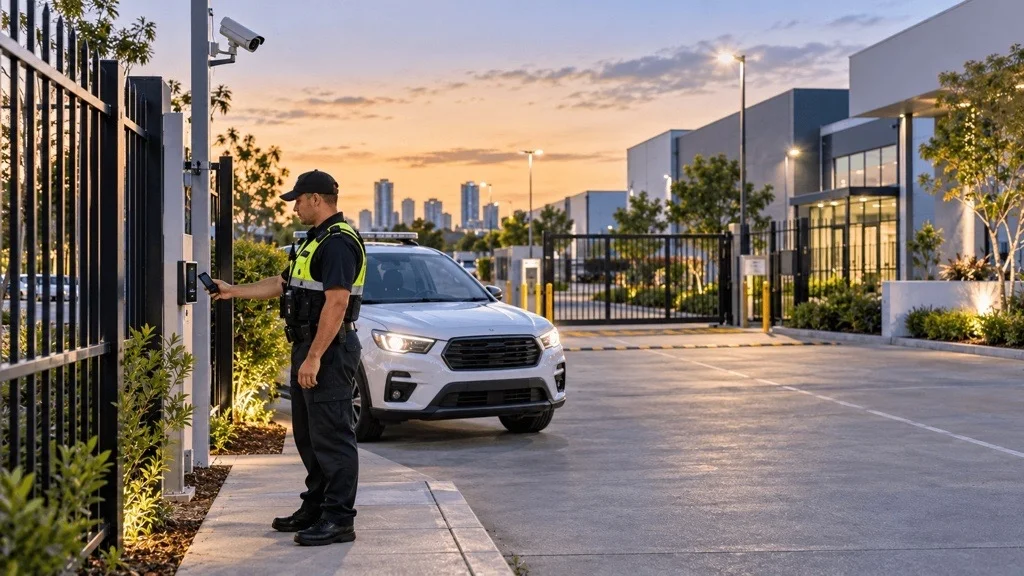
Mobile patrols work differently. Instead of staying in one place, a marked patrol vehicle moves between multiple points on a schedule, or at randomised intervals, checking gates, fence lines, and building perimeters as it goes.
This suits sites that are large, spread out, or don't have a single critical entry point that needs constant monitoring. A patrol can cover far more ground than a static guard, just not continuously at any single spot.
Why Corporate Offices Usually Suit Static Guarding
Office buildings typically have one main entry point that sees consistent foot traffic during business hours. A static guard at reception or the front entrance can manage visitor sign-ins, verify staff credentials, and provide a visible, reassuring presence for staff and clients alike.
Since the risk is concentrated at that entry point rather than spread across a large perimeter, static guarding tends to be the more efficient choice for this site type.
Why Warehouses Often Need a Mix
Warehouses present a different challenge. They usually combine a large perimeter with multiple loading docks, storage bays, and sometimes an office component, meaning risk isn't concentrated in one place.
Many Brisbane warehouse operators use static guarding at a main entry or loading area during active hours, then shift to mobile patrols covering the wider perimeter overnight when the site is unoccupied. Sites also managing warehouse labour hire alongside security coverage often find this layered approach easier to coordinate across a single site.
Why Construction Sites Usually Need Security Guards Trained in Mobile Coverage
Construction sites present a unique set of challenges. The perimeter is often temporary, materials and equipment are highly theft prone, and the site itself changes shape as work progresses, which makes a single fixed guard post less practical.
This is exactly why security guards for construction sites are usually deployed through mobile patrols rather than static posts. Mobile coverage adapts to a changing layout, checking multiple points around stockpiled materials, machinery, and temporary fencing rather than being locked to one static position that may not even exist a few weeks later.
Choosing the right security guards for construction sites means matching the patrol schedule to how the site actually changes week to week, not applying a fixed security plan to a site that never stays the same.
Coverage Windows: When Each Option Makes Sense
Static guarding tends to make more sense during active hours when there is genuine foot traffic and activity to manage in real time. Mobile patrols are often more cost effective for after-hours coverage, when the goal shifts from managing people to simply checking that nothing has been disturbed or breached.
Brisbane facility managers dealing with mixed-use sites often split coverage this way rather than committing to one option around the clock. For sites specifically concerned about the overnight gap, our guide on how security patrols reduce after-hours risk covers how patrol coverage fills that window when a site is otherwise unoccupied.
Combining Both for Complete Coverage
Many facilities don't have to choose one option exclusively. A common approach pairs a static guard during business hours with mobile patrols covering the same site overnight, giving continuous protection without paying for a static guard around the clock.
This layered model also works well alongside electronic systems, since a guard confirming an alert in person backed by camera footage gives a far more complete response than either option alone. Our breakdown of how electronic security and guarding work together explains this combined approach in more detail.
Common Mistakes When Choosing Between the Two
- Assuming mobile patrols are always cheaper without factoring in the coverage gaps between visits
- Using a static guard on a site with a large, spread out perimeter that actually needs mobile coverage
- Not adjusting the security setup as a construction site's layout changes over time
- Choosing based on what a competitor uses rather than the specific risks of your own site
- Overlooking the value of combining both options for sites with distinct day and night risk profiles
Static guarding and mobile patrols solve different problems, and the right choice depends entirely on how your site is laid out and when your risk is highest. Getting this decision right means real coverage where it matters, not just a security line item on your budget.
Our Brisbane-based team at JK Services can assess your site and recommend whether static guarding, mobile patrols, or a combination fits your risk profile best. Get in touch with our team for a customised proposal.