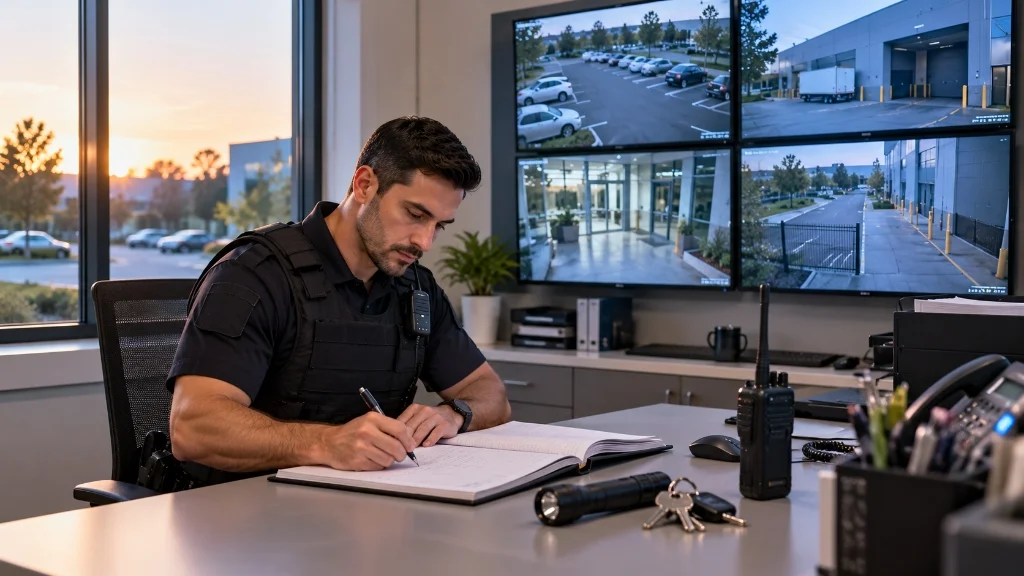
Warehouses hold some of the most valuable assets a business owns: stock, machinery, vehicles and customer orders waiting to ship. When the doors close for the night, these sites are often left empty for hours, protected only by locks and an alarm system. The moment that alarm triggers, someone needs to find out why.
Alarm response security puts a licensed officer on site quickly to investigate, secure the building and report back. It is one of the most practical security patrol services for warehouses, because it adds human eyes to your alarm system without the cost of a guard on site all night.
In this guide, we walk through exactly what happens from the moment your warehouse alarm sounds to the report that lands in your inbox. Understanding each step helps you set clear expectations with your provider and make sure your site is properly protected when it matters most.
Why Do Warehouse Alarms Need a Physical Response?
An alarm system can tell you that a sensor has triggered, but it cannot tell you why. It might be a forced roller door, a pallet that fell against a sensor, a bird inside the building or a staff member who forgot the code. Without someone checking in person, you are left guessing.
A physical response matters because:
- Monitoring centres can confirm a signal but cannot inspect the site
- Police often prioritise incidents that have been verified
- Business owners and managers should not attend alarms alone at night
- Fast attendance can stop a break in before major losses occur
- Every callout creates a record that supports insurance claims
For many warehouses, alarm response is the missing link between an alarm system and real security. It turns a noisy siren into a professional, documented response.
What Happens When the Alarm First Triggers?
The response starts within seconds of the alarm activating. Most commercial alarm systems send a signal to a monitoring centre, which then follows an agreed action plan for your site.
A typical sequence looks like this:
- The monitoring centre receives the alarm signal and identifies the zone triggered
- Operators check for linked camera footage where available
- Your nominated contacts are called, in the order you have set
- An alarm response officer is dispatched to the site
- The officer receives site details, access instructions and any hazards before arrival
The faster this chain runs, the sooner an officer arrives. Linking alarms, cameras and response officers into one system makes a big difference, as our article on how electronic security and guarding work together explains.
What Does the Officer Check on Arrival?
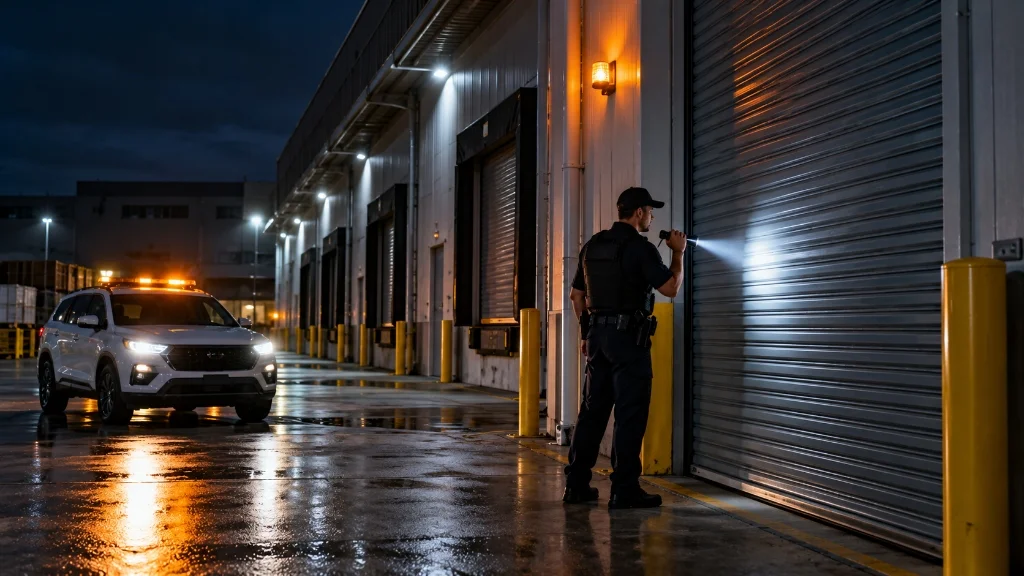
When the officer reaches your warehouse, safety comes first. They approach carefully, watching for vehicles, people or signs of activity before leaving their car.
The officer will then:
- Walk the perimeter, checking fences, gates and external lighting
- Inspect roller doors, loading docks and personnel doors for damage
- Look for broken windows, cut locks or tool marks
- Check the alarm zone that triggered and nearby areas
- Complete an internal inspection if they hold keys and it is safe to enter
Every step is recorded with timestamps and photos. If everything is secure, the officer resets the alarm where authorised and confirms the outcome with the monitoring centre and your contacts. If something looks wrong, the response moves to the next stage.
What Happens If There Is a Break In?
If the officer finds evidence of a break in, their priority is to keep people safe and protect the scene. Licensed officers are trained not to put themselves at unnecessary risk or confront offenders directly.
In a genuine incident, the officer will:
- Contact police immediately and provide clear details of what they see
- Keep watch from a safe position until police arrive
- Notify your nominated contacts straight away
- Avoid touching anything that may be evidence
- Take photos of damage and points of entry
Once police have finished, the officer helps secure the site temporarily, for example by locking gates, closing doors or staying on site until repairs can be arranged. This prevents a second break in through the same damaged entry point, which is a common risk after the first incident.
How Are False Alarms Handled?
Most alarm activations turn out to be false alarms, but each one still needs checking. Common causes in warehouses include:
- Birds, rats or insects moving near motion sensors
- Stock or pallets falling against doors or sensors
- Strong winds rattling roller doors
- Faulty or poorly positioned sensors
- Staff entering or leaving without disarming the system correctly
A good alarm response officer does more than reset the system. They note the likely cause and recommend fixes, such as moving a sensor or adjusting its sensitivity. Over time, this reduces nuisance callouts and saves money. Some warehouses also add scheduled night patrol security visits, so officers can spot problems such as unlocked doors before they trigger an alarm.
What Happens After the Incident?
The work does not end when the officer leaves. A professional provider sends a detailed report covering everything that happened, usually within hours of the callout.
A good incident report includes:
- The time the alarm triggered and the time the officer arrived
- The zones checked and what was found
- Photos of any damage, entry points or hazards
- Actions taken, including police contact and temporary securing
- Recommendations to prevent repeat incidents
Break-ins often leave broken glass, debris or water damage from forced pipes or sprinklers. Arranging professional cleaning services quickly after an incident gets the warehouse safe and operational again before staff arrive. When security and cleaning come from the same provider, this handover happens faster and with less disruption.
How Can Warehouses Reduce Alarm Callouts and Losses?
Alarm response works best as part of a wider security plan. A few simple steps can reduce both false alarms and genuine incidents.
Practical improvements include:
- Servicing alarm systems and sensors regularly
- Installing bright lighting around loading docks and car parks
- Keeping stock away from doors and windows where it can trigger sensors
- Training staff on correct arming and disarming procedures
- Adding random patrols during high risk periods such as holidays
Some high value sites need more than alarm response, especially during peak dispatch periods or when stock levels are high. Our guide on static guards or mobile patrols helps you decide which level of coverage suits your warehouse.
Common Mistakes With Warehouse Alarm Response
- Attending alarms yourself. Owners and staff should never investigate alarms alone at night.
- Not providing keys or access details. Without access, officers can only check the outside of the building.
- Ignoring repeated false alarms. Frequent false alarms usually point to a fixable sensor or procedure issue.
- Keeping outdated contact lists. The monitoring centre needs current names and numbers to reach you quickly.
- Skipping incident reports. Reports reveal patterns that help prevent the next break in.
Conclusion
Alarm response security gives warehouses a fast, professional answer every time the alarm sounds. From the first signal to the final report, a licensed officer checks the site, secures any damage, works with police and helps you understand what happened. Speak with our team to set up an alarm response for your site.
For Brisbane warehouses that need reliable attendance, keyholding and clear reporting, JK Services provides licensed alarm response backed by patrols and facility support. We help keep your stock, equipment and premises protected around the clock. Get a quote from JK Services today.