You're paying for a security patrol contract, but how do you actually know the patrols are happening on schedule? For a lot of facility managers, the honest answer is they don't, beyond trusting the invoice and hoping nothing goes wrong.
This is a fair concern. A patrol that isn't properly verified is really just a promise, and promises don't stop break-ins or catch problems before they escalate. The good news is that modern security guards and patrol services can now prove exactly when and where a check happened, not just claim it did.
This guide breaks down what real patrol verification looks like, the technology behind it, and the questions you should be asking your current provider.
Why "Trust Us" Isn't Good Enough Anymore
For years, security patrols ran largely on trust. A guard would drive past a site, note it in a paper logbook, and that was the extent of the record. There was no way to independently confirm the guard actually stopped, checked the perimeter, or even visited at the time stated.
This created an obvious gap. Sites paying for regular patrols had no real way to catch a missed check until something went wrong, like a break-in during a supposedly covered window. Facility managers deserve better proof than a signature on a sheet.
GPS Tracking: The First Layer of Proof
GPS tracking on patrol vehicles is now standard for any serious security provider. Every movement of the patrol vehicle is logged in real time, showing exactly where it travelled and when.
This means a facility manager can see, after the fact, whether the vehicle actually entered the property, how long it stayed, and whether it covered the areas it was supposed to. It removes the guesswork entirely from whether a scheduled patrol run took place.
NFC Check-Ins: Proof at Specific Points
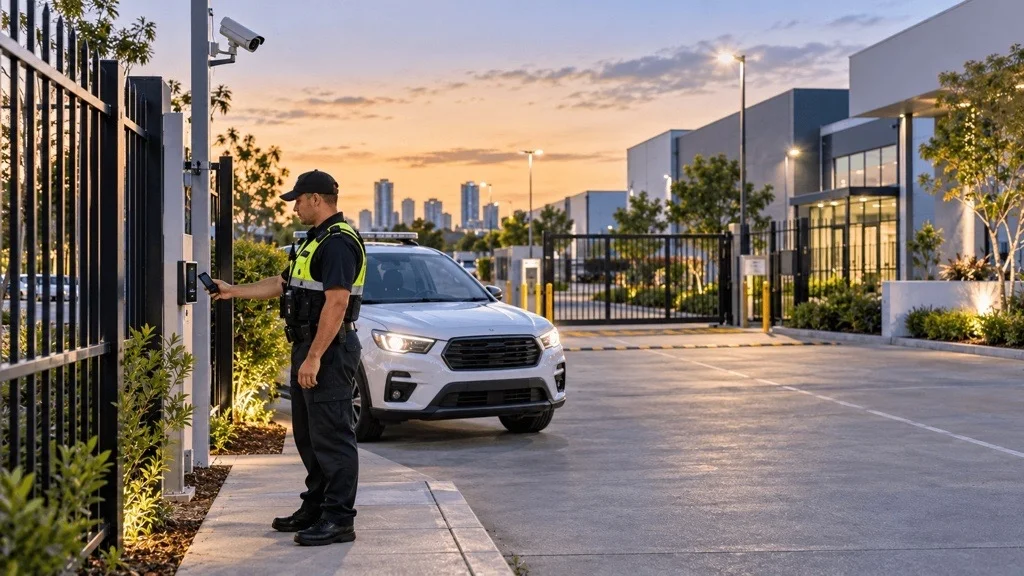
GPS shows where a vehicle went, but NFC check-ins prove a guard physically stopped and checked a specific point, like a gate, a loading dock, or a perimeter fence line. The guard taps a small NFC tag installed at each checkpoint, which logs the exact time and location of that check.
This is particularly useful for larger sites with multiple entry points or blind spots that a drive-by patrol alone might miss. It creates a granular, point-by-point record rather than a single vague confirmation that "the site was checked."
Digital Reports and Photo Evidence
Beyond location tracking, digital reporting adds another layer of accountability. Instead of a handwritten note days later, guards can log incidents, unusual conditions, or completed checks in real time, often attaching photos directly to the report.
If a gate was found open, a light was out, or a suspicious vehicle was noted, that information reaches the facility manager immediately rather than being buried in a weekly summary. This turns patrol reporting from a formality into something genuinely useful for site management.
What to Ask Your Current Security Provider
If you're not sure whether your current patrols are being properly verified, a few direct questions can clarify it quickly:
- Can you show me GPS logs for last week's scheduled patrols?
- Do your guards check in at specific points, or just drive past?
- How quickly would I be notified if something unusual was found during a patrol?
- Is there a digital portal where I can review patrol history myself?
If the answers are vague, or the provider can only offer a paper logbook, it's worth reconsidering whether the current arrangement is actually delivering what you're paying for.
Static Guarding and Verification Work Together
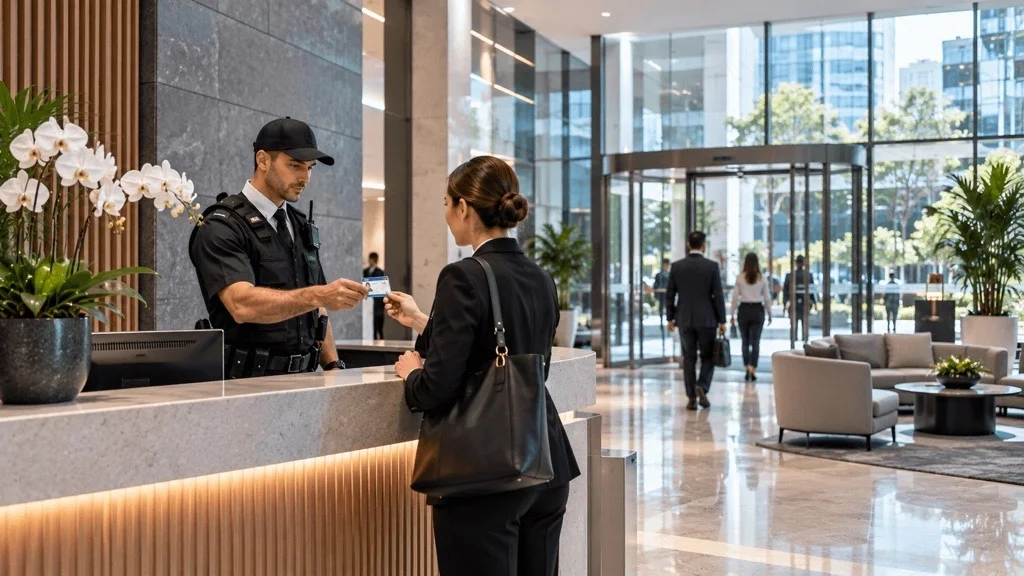
Verification isn't only relevant to mobile patrols. Sites using static guards benefit from the same accountability, since digital check-ins and reporting confirm a guard was actively monitoring their post rather than just present on site. Larger facilities, including those coordinating warehouse labour hire alongside security coverage, often find this layered approach gives a clearer overall picture of who is on site and what they're doing at any given time.
For sites specifically concerned about coverage outside business hours, our guide on how security patrols reduce after-hours risk covers how verified patrols close the gap left when a site is unoccupied overnight.
When Static Guards and Electronic Systems Combine
Verification also extends to how guards and electronic systems work together on a single site. A guard confirming an alarm trigger in person, backed by camera footage and access logs, gives a far more complete picture than either system alone. Our breakdown of how electronic security and guarding work together explains this layered approach in more detail.
Common Mistakes Facility Managers Make With Patrol Verification
- Assuming a patrol happened simply because an invoice says it did.
- Never actually reviewing GPS logs or digital reports, even when they're available.
- Choosing a provider based on price alone without asking how verification works.
- Treating a paper logbook as sufficient proof for a modern commercial site.
- Waiting until after an incident to start asking these questions.
Security patrols only add value if you can actually confirm they're happening the way you're paying for. GPS tracking, NFC check-ins, and digital reporting turn a vague promise into something you can independently verify at any time.
JK Services builds this kind of accountability into every patrol contract, so you're never left guessing. Get in touch with our team to see how our verification process works for your site.